Budgeting
Zero-Based vs 50/30/20 vs Envelope Budgeting: Full Comparison
A side-by-side comparison of the three most popular budgeting systems — how they work, their pros and cons, and who each one is best for.
Jordan Avery
Updated Jun 30, 2026 8 min read
Contents
Three popular systems, one goal
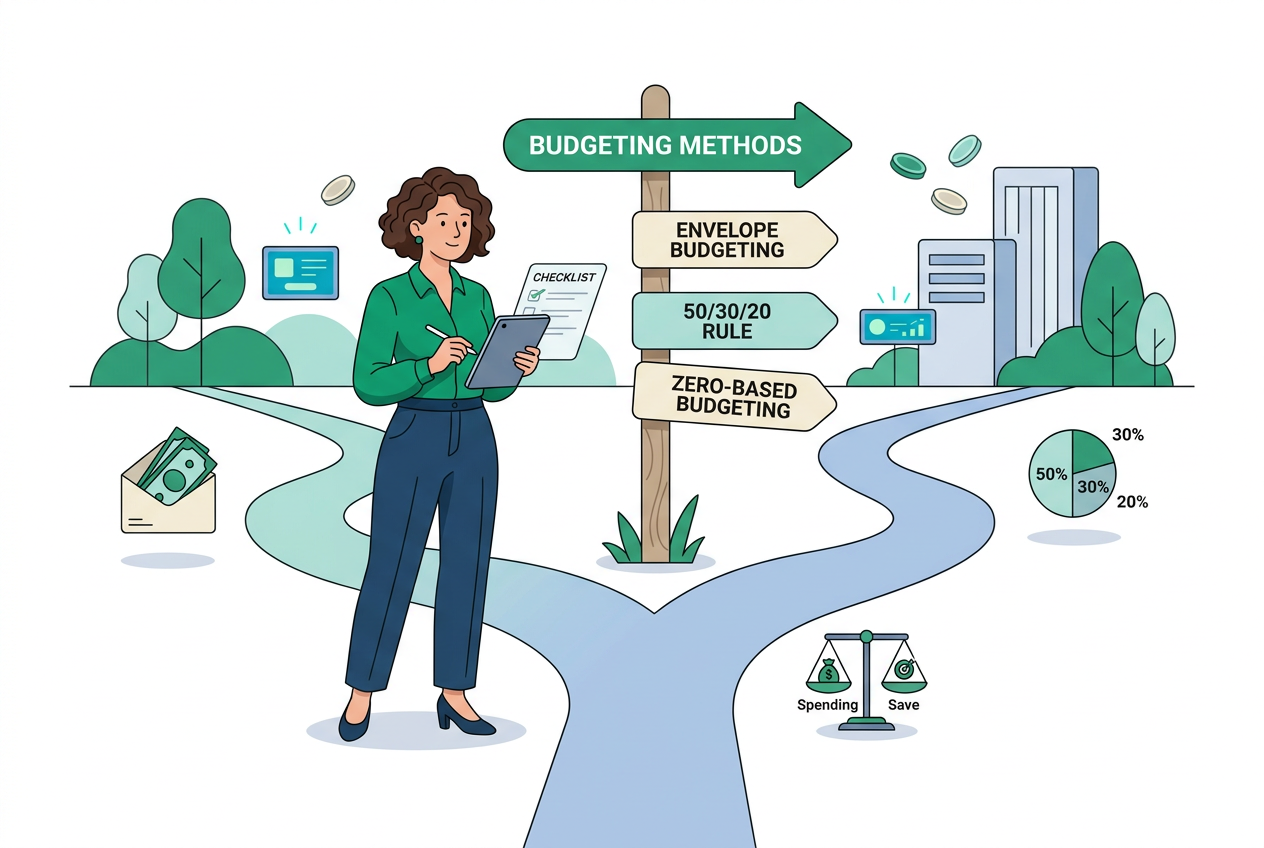
All three methods aim to help you spend intentionally and save consistently. They simply get there in different ways. Here's how they stack up.
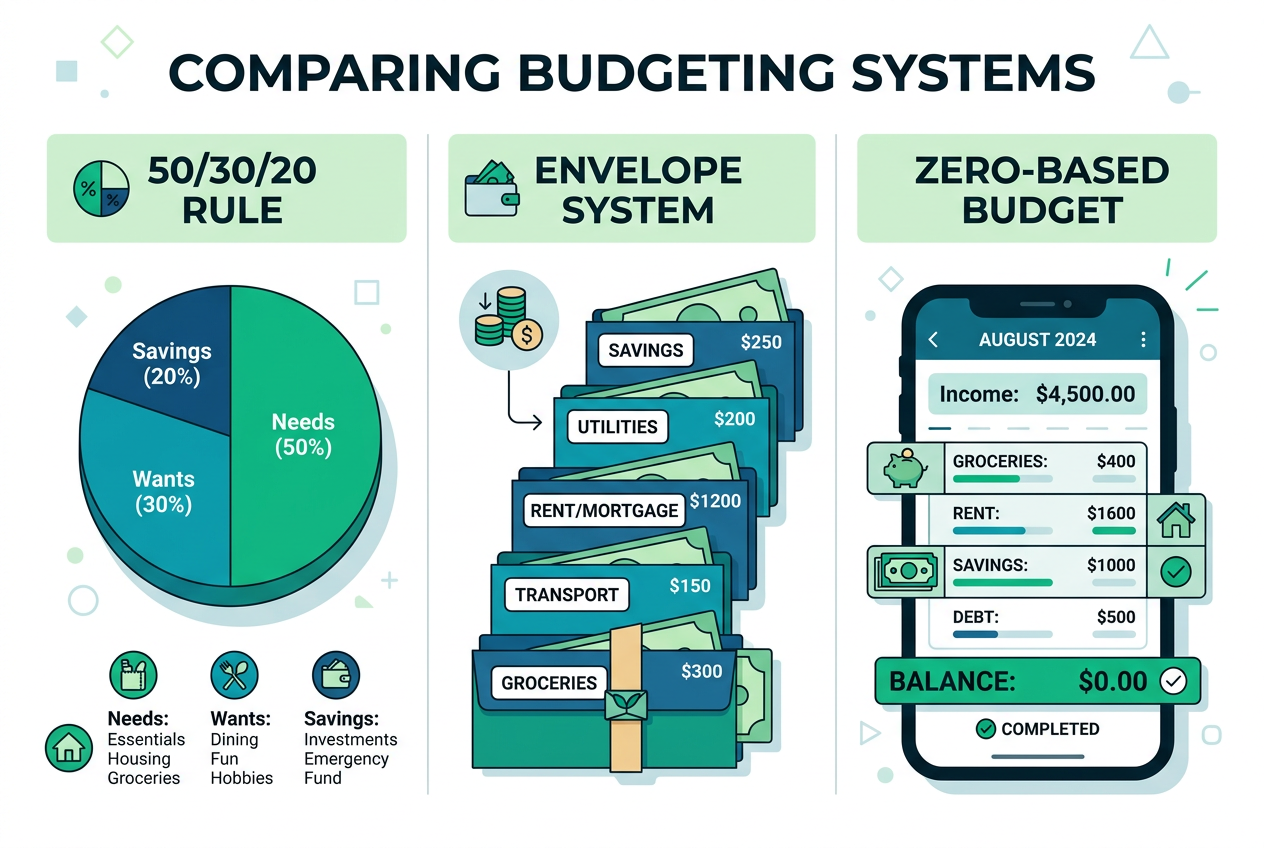
50/30/20: simplest
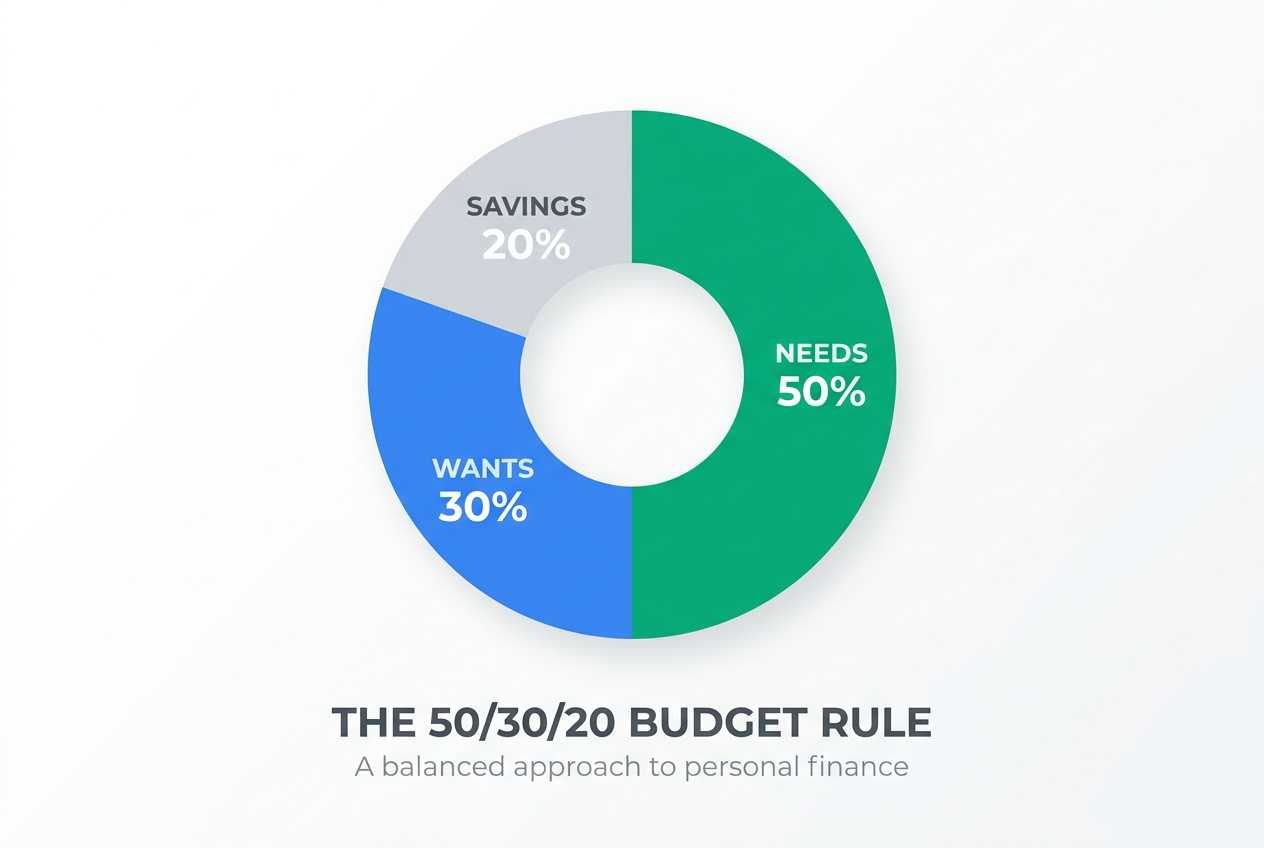
Splits income into 50% needs, 30% wants, 20% savings and debt.
- Pros: fast, forgiving, great for beginners
- Cons: less precise, can hide overspending within a bucket
- Best for: steady income, low maintenance
Zero-based: most precise
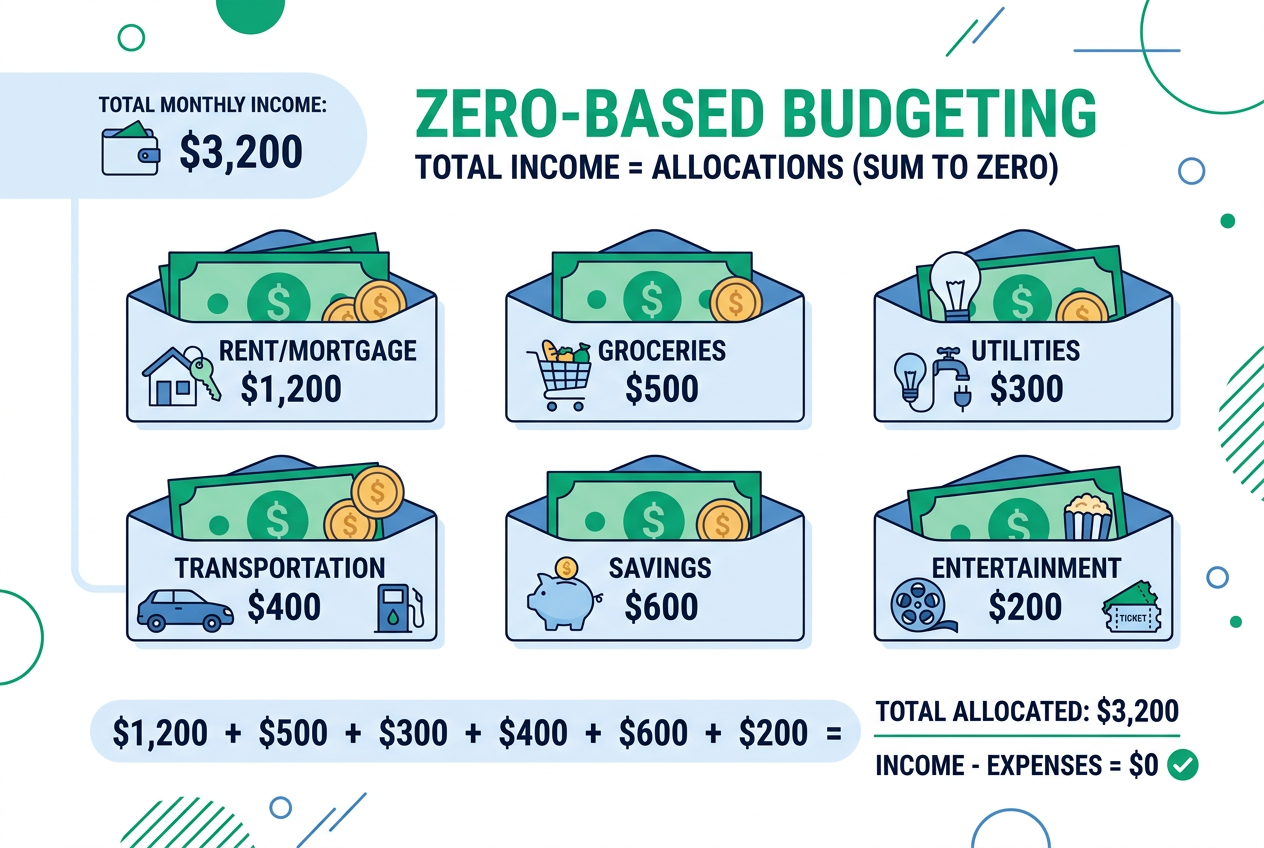
Assigns every dollar a job until income minus expenses equals zero.
- Pros: maximum control, great for variable income and debt payoff
- Cons: more effort, requires a monthly reset
- Best for: detail-oriented people and irregular earners
Envelope: most hands-on
Allocates cash (or virtual envelopes) to each category; when an envelope is empty, you stop spending there.
- Pros: hard limits curb overspending
- Cons: cash can be inconvenient; less ideal for online bills
- Best for: chronic overspenders in specific categories
Whatever you choose, the Monthly Budget Calculator helps you set the numbers for each category.
Solve this in 30 seconds
Put this guide into action with the Monthly Budget Calculator — free, instant results.
Frequently asked questions
Get the free budget spreadsheet
Put this article into action with our free, ready-to-use spreadsheet.