Emergency Fund Guide: How Much You Really Need
How big should your emergency fund be, where to keep it, and how to build it fast — a complete beginner's guide with examples.

Jordan Avery
Why an emergency fund matters
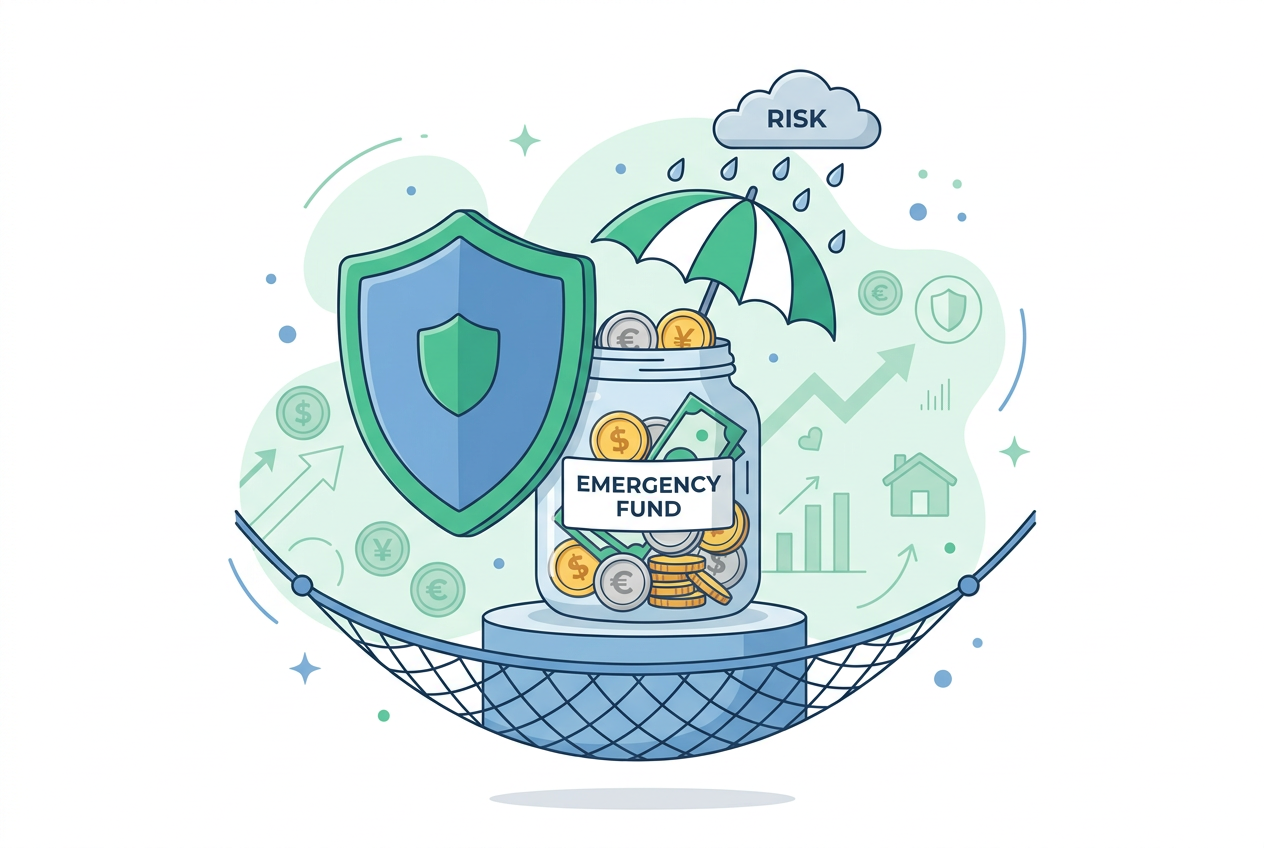
An emergency fund is cash set aside for life's surprises — a job loss, medical bill, or car repair. It's the single most important buffer between a bad week and a financial crisis, and it keeps you from reaching for high-interest debt.
How much should you save?
The classic guideline is 3–6 months of essential expenses. Use the lower end if your income is stable and the higher end if it's variable or you have dependents.
- Starter fund: $1,000 (do this first)
- Stable income: 3 months of essentials
- Variable income or single earner: 6+ months
Where to keep it
Keep your emergency fund liquid and separate from your daily spending. A high-yield savings account is ideal — accessible within a day or two, but not so easy to dip into for non-emergencies.
How to build it fast
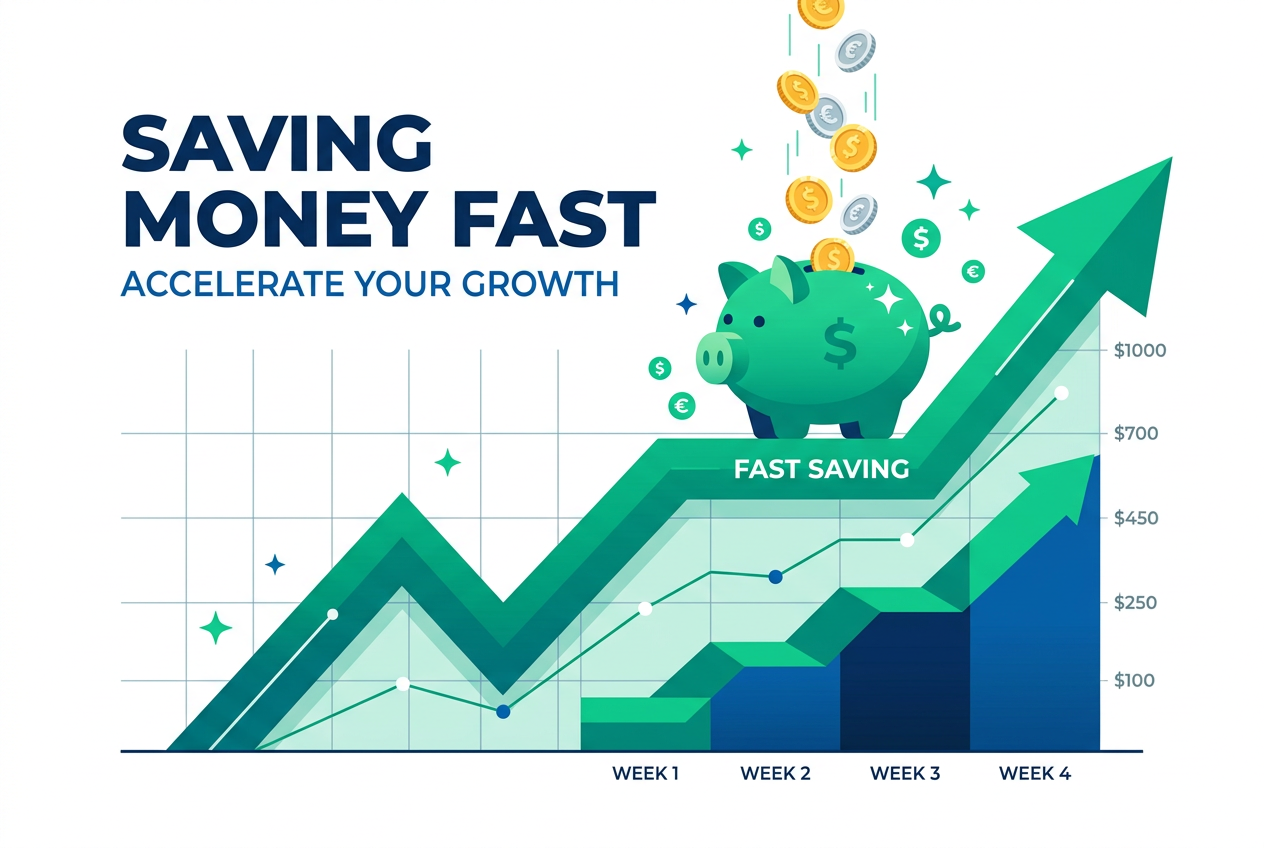
- 1Automate a fixed transfer every payday.
- 2Funnel windfalls (tax refunds, bonuses) straight into it.
- 3Temporarily pause extra debt payments until you hit your starter $1,000.
- 4Sell unused items for a quick boost.
Solve this in 30 seconds
Put this guide into action with the Emergency Fund Calculator — free, instant results.
Frequently asked questions
Get the free budget spreadsheet
Put this article into action with our free, ready-to-use spreadsheet.